Ten Sitcoms Every Comedy Writer Should Watch (Plus Three I Couldn’t Leave Out)
(prefer to listen than read? Here is the audio version of the blog.)
Oh, we are absolutely not stopping at ten.
I tried. I even wrote “ten” at the top of the page like a disciplined adult. Then immediately started justifying an eleventh. Then a twelfth. And at that point, what are we even pretending for?
So yes. Twelve. With a quiet, entirely unnecessary thirteenth slipped in like a writer who doesn’t understand the word “limit”.
This isn’t a “best of” list. You can find those anywhere (there are quite a few posts here.) This is a if you want to write comedy, these shows will teach you something specific list.
Steal from them. Reverse engineer them. Watch them properly, not just in the background while you scroll. Most of all, make some notes.
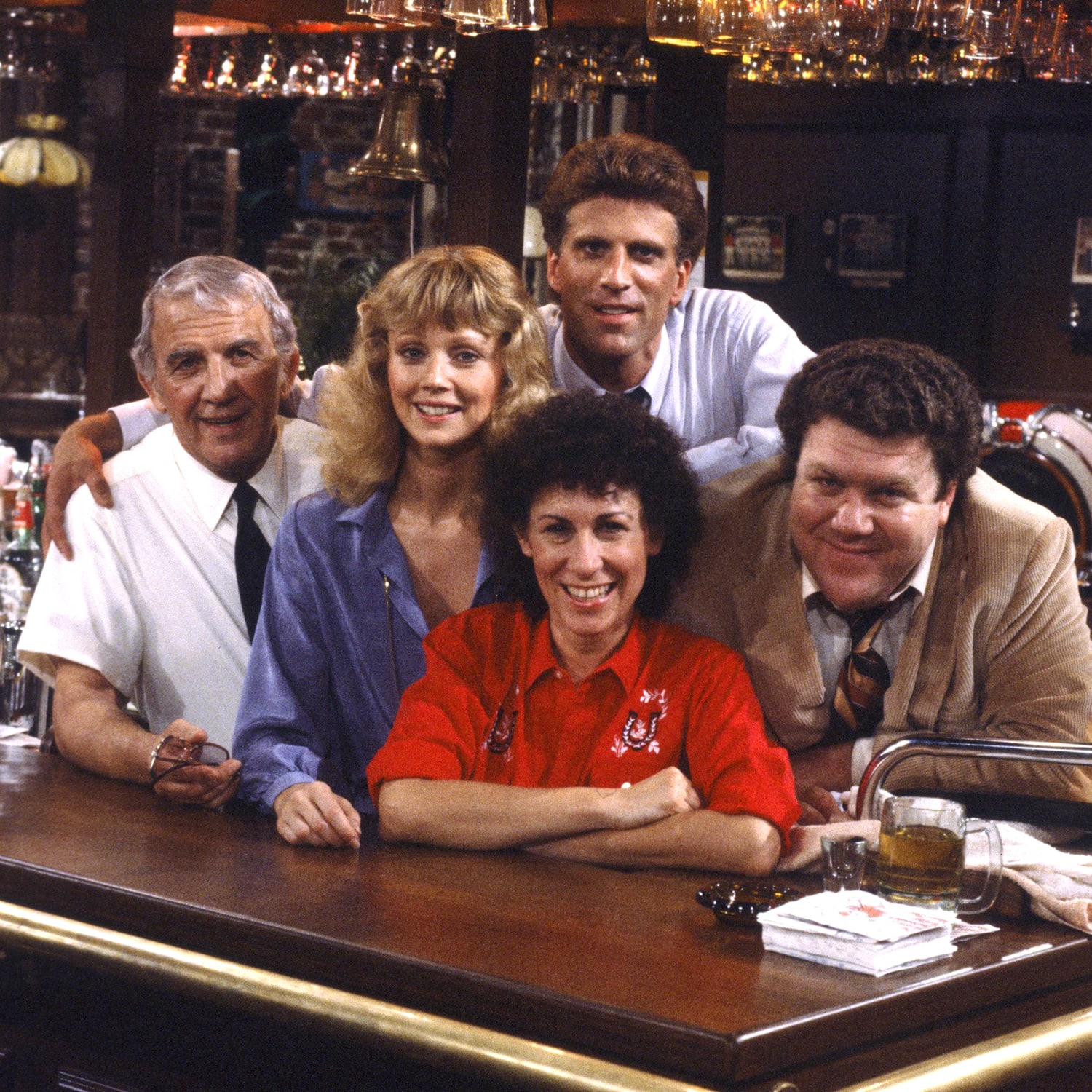
Cheers
Why you’re watching it:
The pilot is almost annoyingly perfect. It introduces character, tone, conflict, and relationships with the confidence of a show that absolutely knows it’s going to run for eleven seasons… even though it very much did not know that at the time.
What to steal:
How to build a pilot that works. Not flashy. Not clever-clever. Just solid, character-driven storytelling that sets up everything you need.
Friends
Why you’re watching it:
Because it made A, B and C storylines feel effortless. They’re not. They are tightly structured, constantly intercut, and always building to a payoff.
What to steal:
Multi-strand storytelling that doesn’t feel like homework.
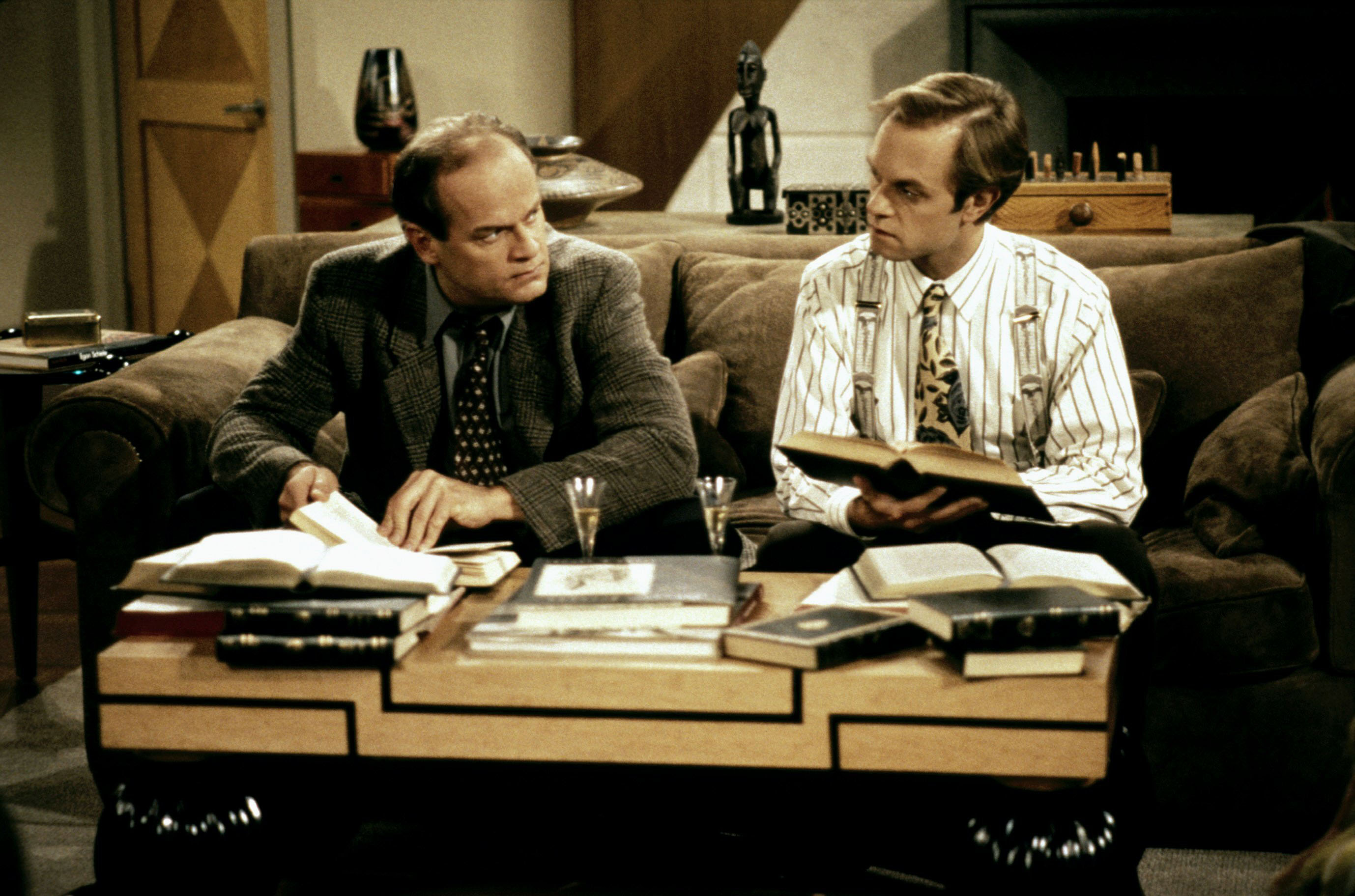
Frasier
Why you’re watching it:
It took a side character from another show and somehow made the new show better. That shouldn’t work. It really shouldn’t.
What to steal:
Character expansion. And how to build a world around a very specific voice without losing what made it work in the first place.
The Office
Why you’re watching it:
Because it quietly changed everything. No glossy lighting. No big sets. No audience laughter telling you when to react. Just painfully recognisable behaviour.
What to steal:
Naturalism. And the confidence to let silence do the work.
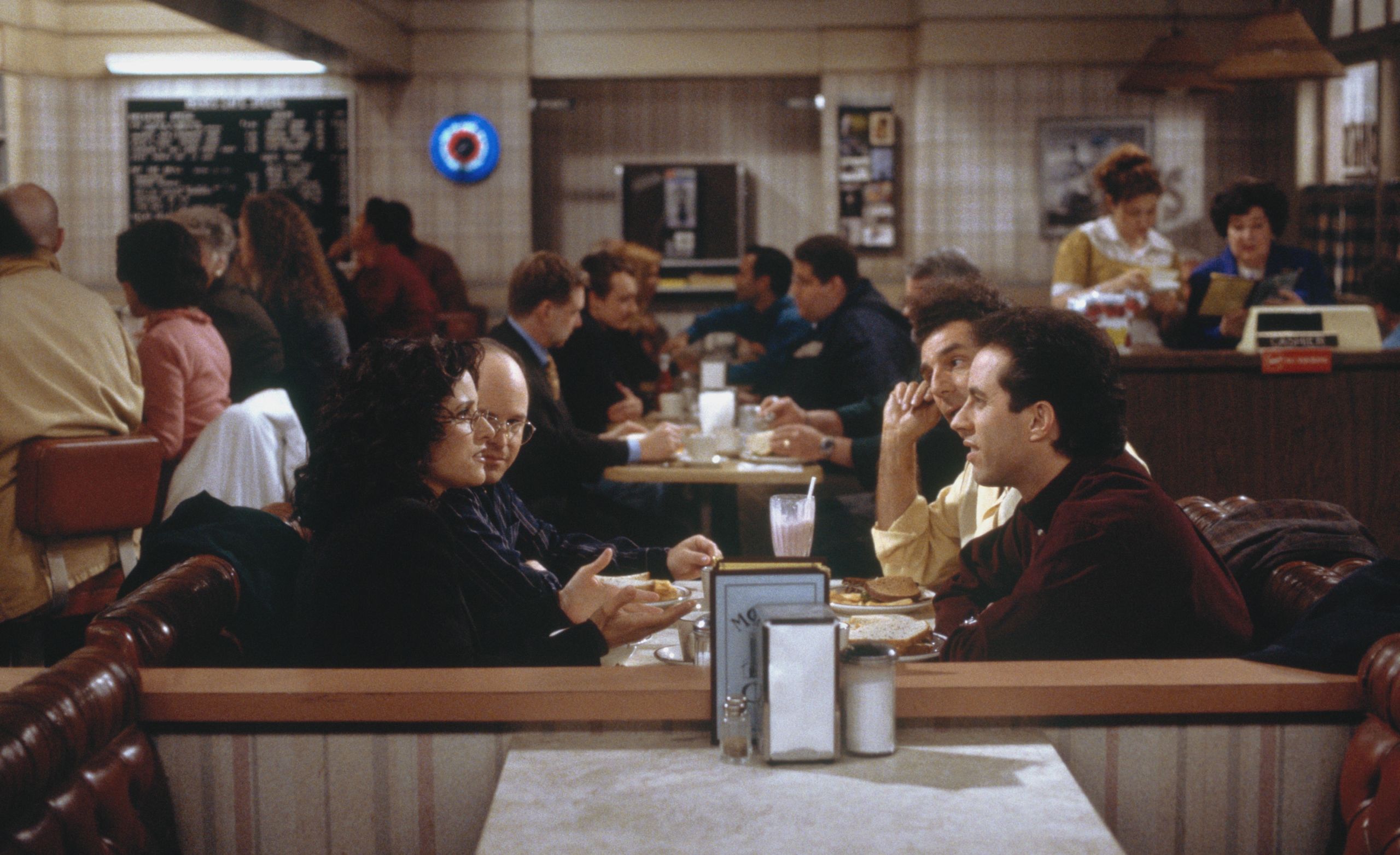
Seinfeld
Why you’re watching it:
“Show about nothing” is a lie. It’s a show about structure. Multiple threads that look unrelated until they collide in a way that feels both ridiculous and inevitable.
What to steal:
How to build story engines that click into place.
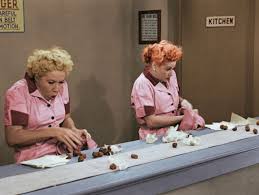
I Love Lucy
Why you’re watching it:
Because most of what we now call a sitcom… starts here.
Also, Lucille Ball was fearless. Proper, commit-to-the-bit fearless.
What to steal:
Escalation. If you think you’ve pushed a joke far enough, you haven’t.

The Simpsons
Why you’re watching it:
The golden years are basically a masterclass in joke density. There is always another joke. Sometimes three at once.
What to steal:
You can layer jokes, character, and emotion. It’s just harder. That’s the deal.

Absolutely Fabulous
Why you’re watching it:
Because women are allowed to be terrible. Not quirky. Not “a bit messy”. Properly selfish, chaotic, ridiculous.
What to steal:
You don’t need to make your characters likeable. You need to make them watchable.
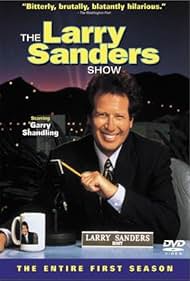
The Larry Sanders Show
Why you’re watching it:
This is the bridge. Traditional sitcom to modern awkward comedy. Without this, a lot of what we now take for granted doesn’t exist.
What to steal:
Tone. The shift from “jokes” to behaviour being funny.
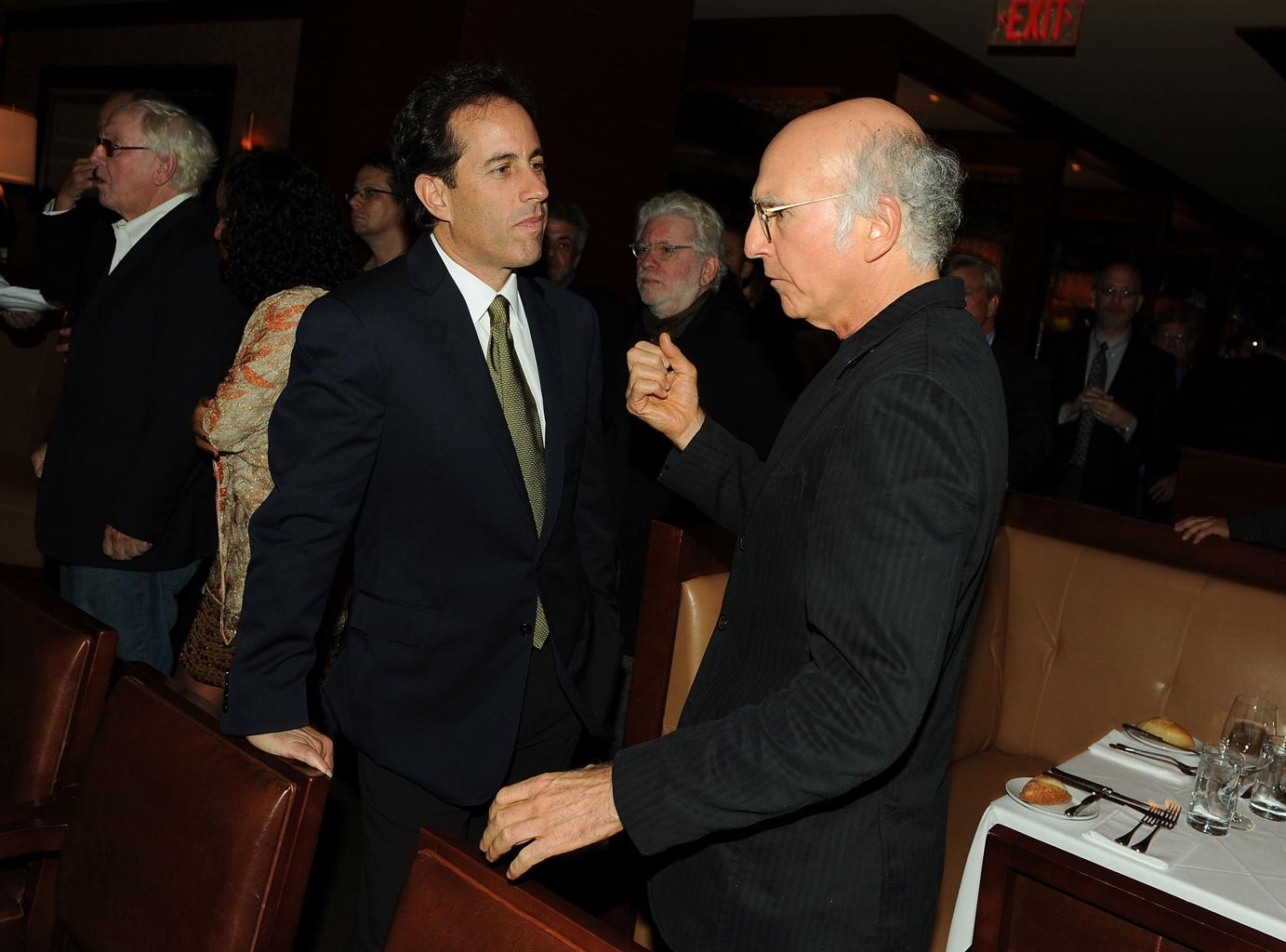
Curb Your Enthusiasm
Why you’re watching it:
Improvised on the surface. Meticulously structured underneath.
Also, it answers the question: what if we removed all social filters?
What to steal:
Social friction as a story engine.

Spaced
Why you’re watching it:
Because style became part of the comedy. Camera moves, edits, references. It all matters.
What to steal:
Tone isn’t just writing. It’s how the whole thing is put together.
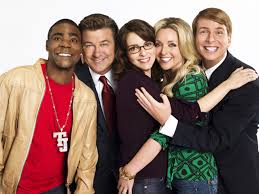
30 Rock
Why you’re watching it:
It does not let up. If there is space for a joke, it fills it. Then fills it again.
What to steal:
Pacing. And how to keep character intact while firing jokes at machine-gun speed.

(Because of course there is) Fleabag
Why you’re watching it:
Yes, I know. Not a “sitcom”. I can already hear people typing. I don’t care. It changed how voice works in comedy. The fourth wall isn’t just a gimmick, it’s part of the character’s emotional armour.
What to steal:
Point of view. And how comedy can sit right next to something genuinely painful without collapsing.
The Actual Takeaway (Because There Is One)
If you look at all of these together, a pattern starts to emerge:
• Comedy evolves when someone breaks a rule
• Then everyone copies it
• Then someone else breaks it again
Your job as a writer isn’t to pick one of these and copy it perfectly.
It’s to understand why it works… and then go slightly sideways from it.
Also, if you’ve watched all of these and still think comedy is just “being funny”, we need to have a longer conversation.
Probably over something stronger than tea.
What have I missed? Which comedy programme has been a masterclass for you? Let me know by clicking here.
You may also like:
Top Ten TV Comedy Mockumentaries of the 21st Century
The mockumentary isn’t new—but in the 21st century, it perfected itself. From The Office to Cunk on Earth, here are ten that nailed it.

Top Ten Studio Sitcoms: The American Invasion
Glossy, gag-packed, and iconic — from Cheers to Friends, here are ten American studio sitcoms that Britain loved (and still rewatches).
Back to the Future: The Funniest Lesson in Structure (and Why Even the Musical Knows It)
Back to the Future turns 40 — and it’s still the funniest lesson in story structure ever written. Here’s why the film (and the musical) still works.
FREE EXCLUSIVE DOWNLOAD
Comedy Through The Cracks - A short essay